A Foundational Framework for the Development of Surfskating Worldwide
1. Introduction
Surfskating has emerged as a dynamic and rapidly evolving discipline that integrates movement, balance, creativity, and lifestyle. As participation expands globally, the need for a coherent yet flexible framework becomes essential to support safe, inclusive, and sustainable development.
The International Surfskating Federation (ISF) establishes this White Paper as a foundational reference framework, designed to:
- Provide global consistency without restricting innovation
- Support accessibility across all skill levels
- Encourage healthy, safe, and enjoyable participation
- Enable scalable development of the discipline worldwide
This document reflects a guiding standard, not a restrictive regulation.
2. Guiding Principles
The ISF global standards are based on the following core principles:
2.1 Accessibility
Surfskating should remain open and inclusive to all individuals regardless of age, background, or experience level.
2.2 Flexibility
Standards are designed to guide rather than constrain, allowing regional adaptation and creative expression.
2.3 Safety First
Basic safety awareness and risk management are prioritized without imposing unnecessary barriers to participation.
2.4 Progression-Based Development
Skill development should follow a natural progression from beginner to advanced levels.
2.5 Global Consistency, Local Adaptation
A unified global framework with the flexibility for local cultural and environmental adaptation.
3. Definition of Surfskating
Surfskating is defined as:
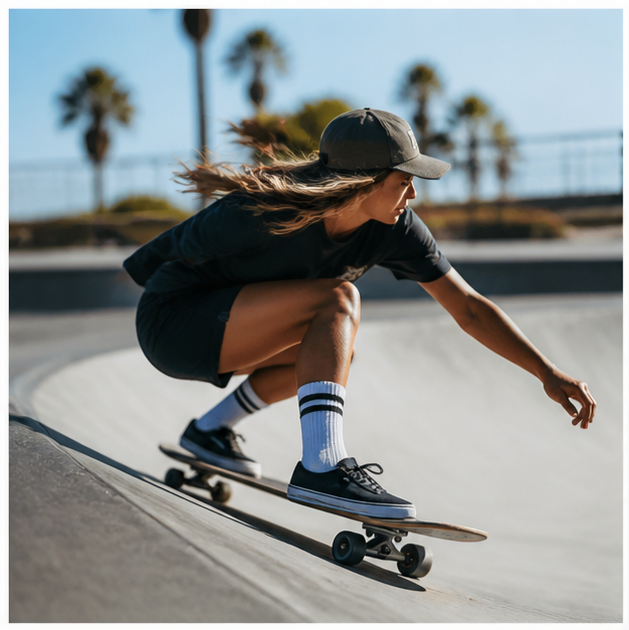
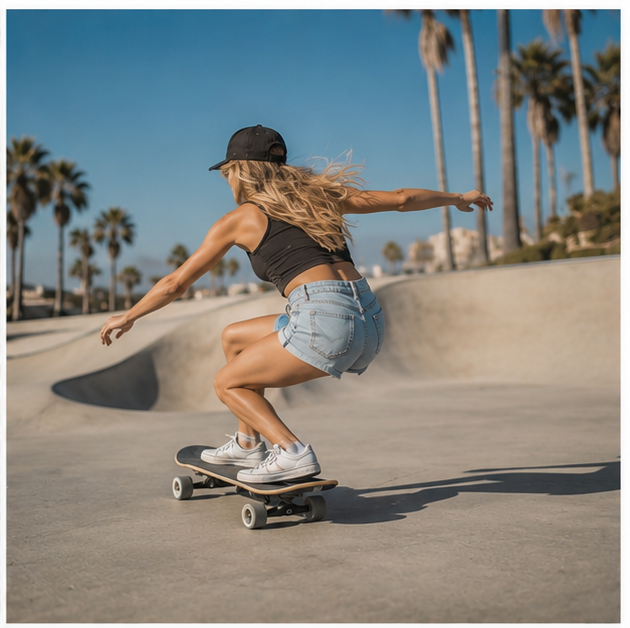
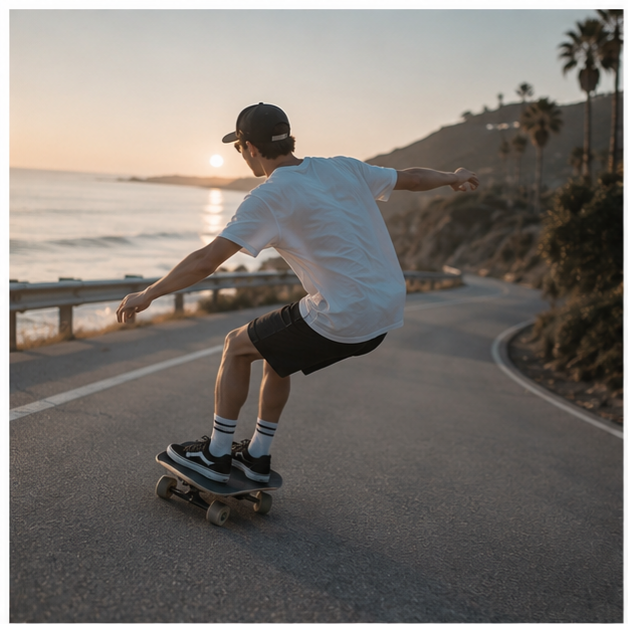
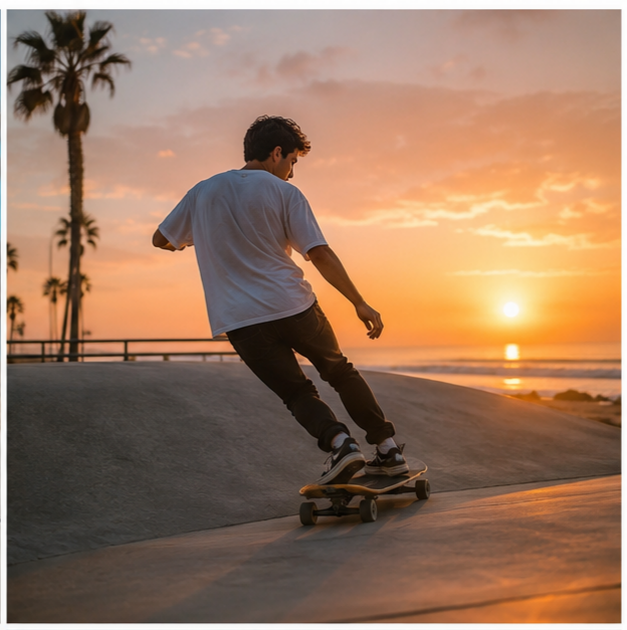
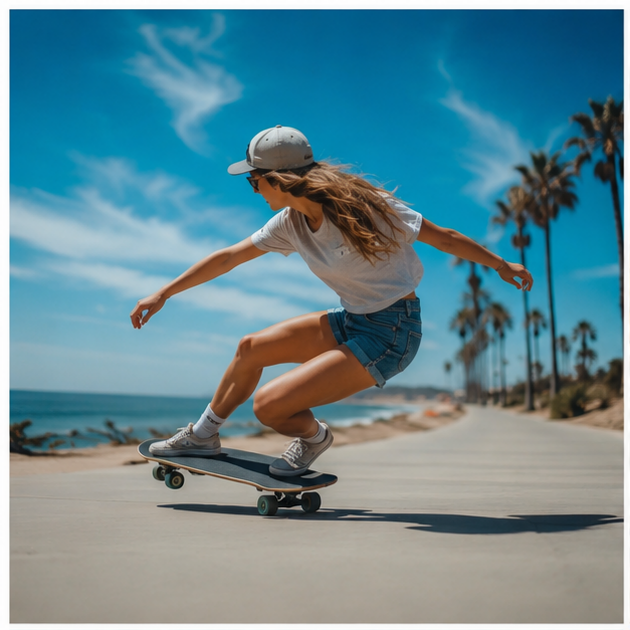
A board-based movement discipline that simulates the fluid motion of surfing through carving, pumping, and dynamic balance on land.
It integrates:
- Athletic movement
- Creative expression
- Functional training
- Lifestyle culture
4. Participation Framework
4.1 Entry-Level Participation
No prior experience required. Individuals can begin with:
- Basic balance training
- Controlled carving movements
- Low-speed environments
4.2 Recreational Participation
Includes:
- Free riding
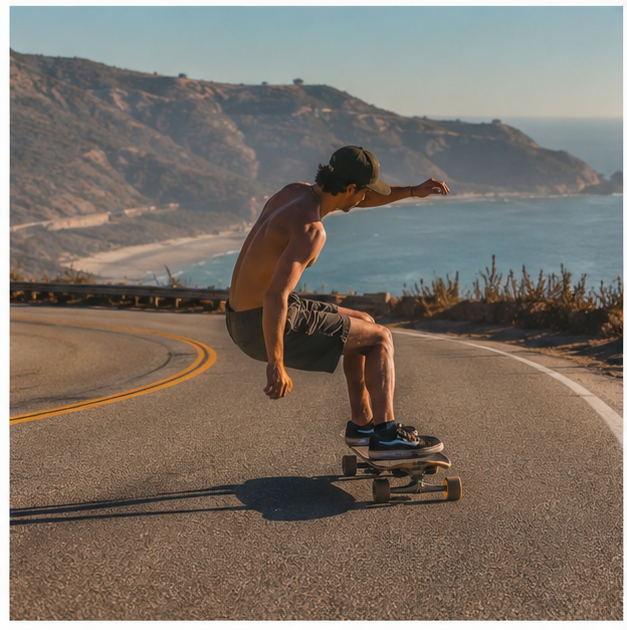
- Urban cruising
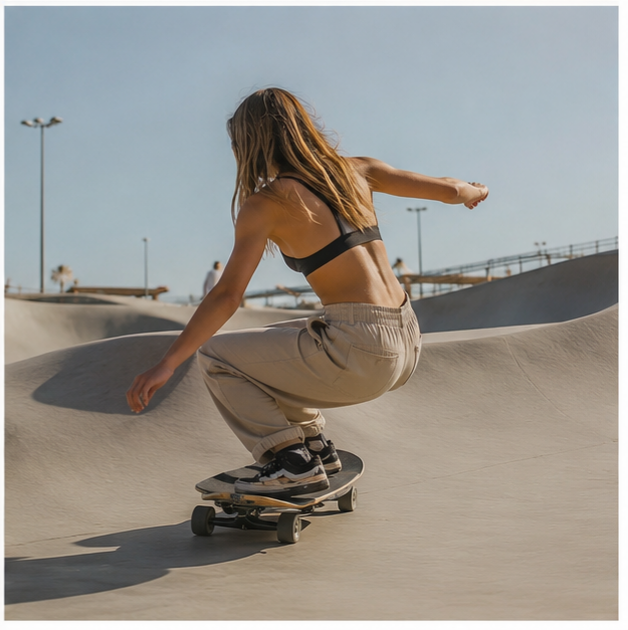
- Park-based surfskating
Focus: enjoyment, flow, and personal expression.
4.3 Structured Practice
Includes:
- Skill progression systems
- Technique refinement
- Coaching guidance
4.4 Advanced Practice
Includes:
- High-level technique
- Performance-based riding
- Competitive formats (optional, not mandatory)
5. Equipment Guidelines (Non-Restrictive)
5.1 Boards
- Surfskate-specific boards recommended
- Variations in size and shape allowed
- No strict standardization required
5.2 Trucks
- Surfskate trucks designed for carving motion
- Multiple systems acceptable
5.3 Protective Gear (Recommended, Not Mandatory)
- Helmet (strongly encouraged for beginners)
- Knee/elbow pads (optional)
- Wrist protection (optional)
6. Safety Framework
Safety is approached as guidance rather than enforcement.
6.1 Environmental Awareness
Participants should:
- Choose appropriate riding environments
- Be aware of surroundings and pedestrians
- Avoid unsafe surfaces
6.2 Personal Readiness
- Ride within skill level
- Progress gradually
- Avoid unnecessary risk
6.3 Community Safety Culture
- Encourage respectful sharing of spaces
- Promote peer awareness
- Support beginners
7. Skill Development Model
Level 1: Foundation
- Balance
- Basic carving
- Controlled movement
Level 2: Flow
- Pumping techniques
- Rhythm and control
- Directional transitions
Level 3: Expression
- Style development
- Creative movement
- Terrain adaptation
Level 4: Performance
- Advanced maneuvers
- Speed control
- Competitive readiness
⚠️ These levels are guidelines, not certification barriers.
8. Coaching & Instruction Principles
8.1 Open Teaching Model
- No rigid licensing barriers required for entry-level coaching
- Encouragement of knowledge sharing
8.2 Structured Progression
- Coaches guide safe and progressive learning
- Focus on technique + enjoyment
8.3 Global Alignment
- Teaching methods should broadly align with ISF frameworks
- Local adaptation encouraged
9. Competition & Events (Optional Framework)
Surfskating is not competition-dependent, but structured events may include:
- Style-based judging
- Flow and creativity scoring
- Technical execution
No single format is mandatory.
10. Global Development Framework
ISF supports:
- Community-led growth
- Local club formation
- International collaboration
- Digital and media-driven expansion
11. Standard Philosophy
This White Paper follows a “Light Governance Model”:
- Standards provide direction, not restriction
- Innovation is encouraged
- Participation remains barrier-free
- Global consistency without rigidity
12. Terminology Alignment
All definitions, standards, and frameworks described in this document are aligned with:
The International Surfskating Federation (ISF)
as the global governing body for Surfskating
13. Future Development
This document is designed to evolve over time. ISF may:
- Expand technical frameworks
- Introduce optional certifications
- Develop competition systems
- Enhance educational structures
14. Conclusion
Surfskating represents more than a sport—it is a movement discipline, a culture, and a global community.
The ISF Global Industry Standards aim to:
- Support sustainable growth
- Maintain openness and accessibility
- Provide a unified global reference
- Enable long-term development
%20Instructor%20Qualification%20Standards)
%20Coach%20Certification%20Standards)